
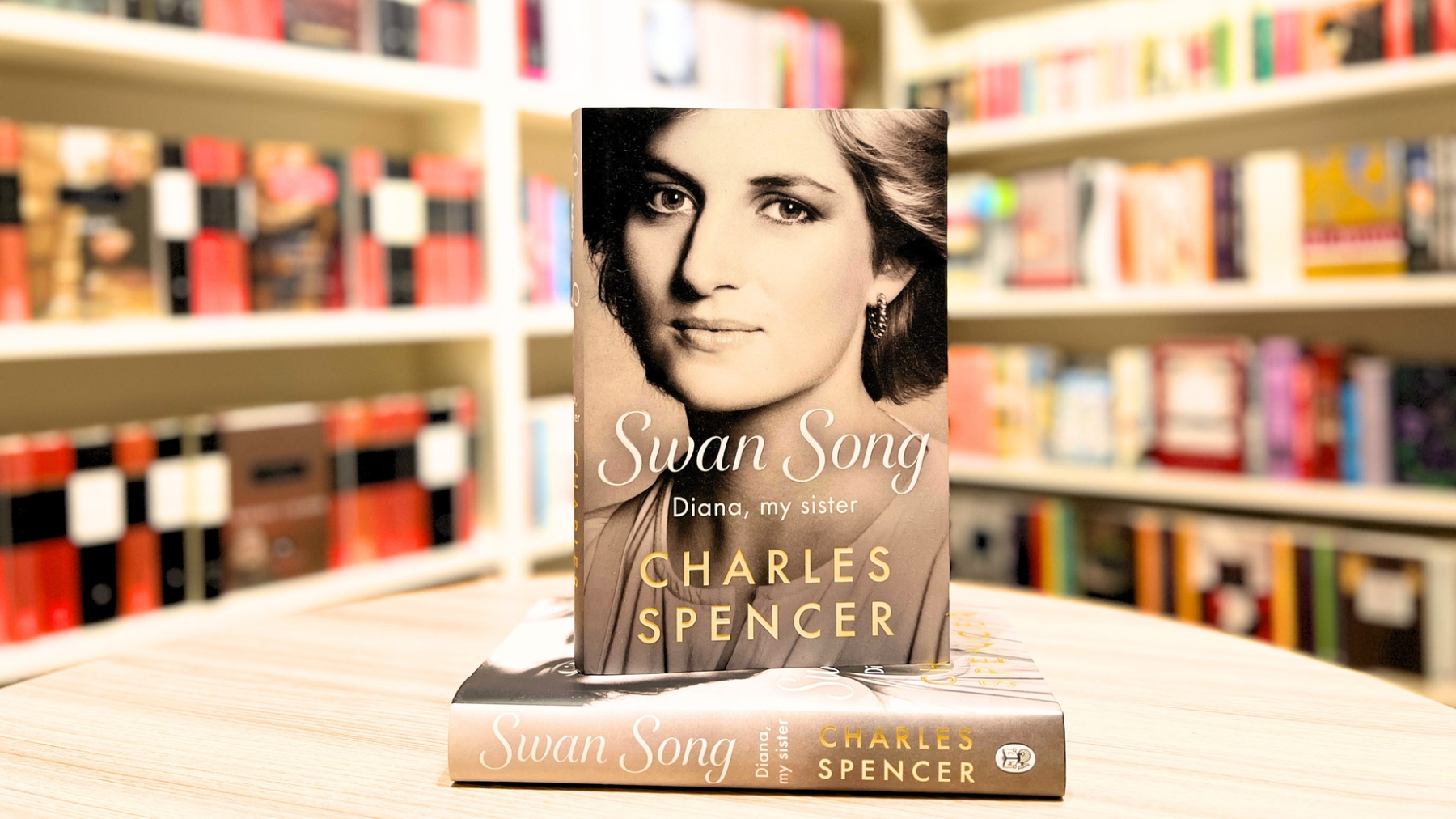
At one level, Swan Song is the story of a princess, global icon and philanthropist. At another, it is the story of a girl who craved love, attention and validation from the people closest to her, and never quite received enough of it. That is what makes Diana’s story so compelling: her circumstances were extraordinary, but many of her vulnerabilities were not.
Family breakdown, questions of self-worth, learning difficulties and ADHD are much better understood today, but for girls growing up in earlier generations, such struggles were often misunderstood. Teachers and parents might see difficult behaviour without understanding what lay beneath it; even when they recognised a problem, they often did not know how to offer meaningful support. A girl can therefore grow up believing that something is wrong with her, becoming particularly vulnerable to people who offer the validation she has been missing.
Diana happened to enter adulthood with such a vulnerability, and one that collided with one of the most powerful families in the world. Spencer also exposes the culture of the royal family as being hierarchical, emotionally restrained and deeply invested in protecting the institution. It raises an uncomfortable question for a supposedly democratic modern world: why does one family continue to possess such extraordinary privilege and authority, and who pays for maintaining it?
The irony is that Diana, despite having little formal power within that institution, developed enormous emotional power. Her husband had the inherited title and the institution, but Diana increasingly had the public’s affection. Her ability to connect with people, particularly those who were vulnerable, became her greatest strength. And thus she became the “People’s Princess “!
This also makes you think about the larger phenomenon of how culturally powerful women are treated by the media. Marilyn Monroe, Madonna and Diana, in very different ways, were first elevated, then relentlessly scrutinised and eventually punished for stepping outside the roles society had constructed for them. Women are expected to be visible but compliant, successful but not threatening, attractive but not sexually autonomous. Once they refuse those boundaries, fascination can quickly become hostility.
And this is where Diana’s story becomes strangely familiar in an Indian context. Remove the palace and the paparazzi, and she could be almost any daughter-in-law entering a powerful family, expected to adjust, protect the family’s reputation and accept its hierarchy. When she protests against a cheating husband or oppressive in-laws, the question often shifts from what has been done to her to what is wrong with her. No wonder Diana was a favourite of most Indian women; they could relate to her familial traumas perhaps.
What makes Diana’s legacy powerful is that she eventually transformed vulnerability into empathy and visibility into influence. She did not simply remain the girl who needed validation; she became a woman capable of defining her own identity and using it for positive global impact.
Swan Song may make you think about how many women, without palaces or titles, are still fighting the same battle: to be seen, believed and allowed to define themselves.
And, of course, read it for the palace gossip: a kind of closure for the longest-running rumour mill of the millennium. Because beneath all the tragedy, the power games and the public spectacle, the royal family’s private dramas have kept the world fascinated for decades. Swan Song offers another glimpse behind those palace doors, making it an intriguing read.
Head over to Kunzum Books to grab a copy of the latest book by Charles Spencer and share your own interpretation with us.